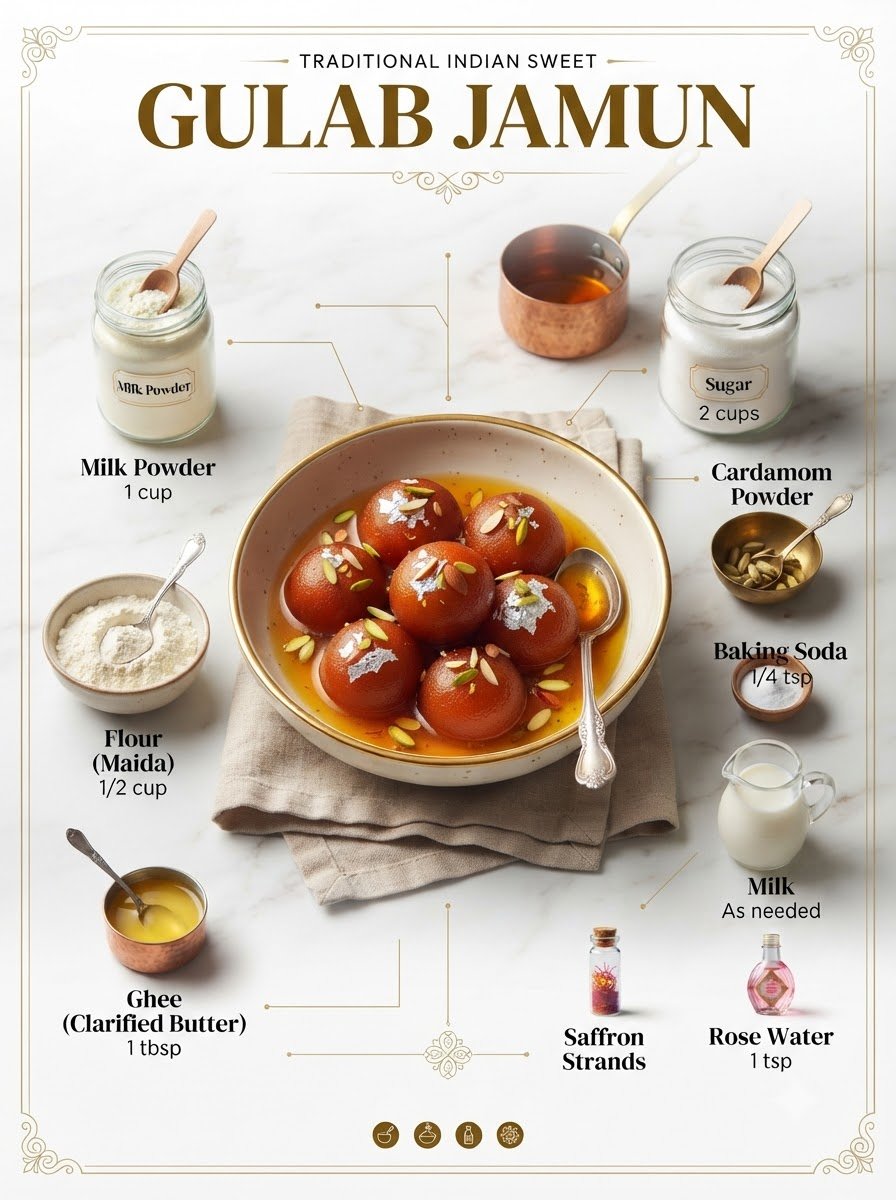
PREMIUM RECIPE INFOGRAPHIC GENERATOR
Create a premium, photorealistic recipe infographic based on the supplied recipe information. Use the attached reference image as the visual style reference for composition, typography hierarchy, ingredient placement, food photography, spacing and overall editorial aesthetic.
IMPORTANT: Do not copy the reference recipe. Use only the supplied recipe name, ingredients and quantities.
MASTER RECIPE INFOGRAPHIC PROMPT

Create a premium, highly realistic food recipe infographic based on the following recipe:

RECIPE NAME:
[RECIPE NAME]

INGREDIENTS:
[INGREDIENTS AND QUANTITIES]

REFERENCE STYLE:
Use the supplied reference image as inspiration for the overall composition, visual hierarchy, ingredient arrangement, typography, food photography and premium editorial style.

━━━━━━━━━━━━━━━━━━━━━━━━━━━━
CANVAS
━━━━━━━━━━━━━━━━━━━━━━━━━━━━

Create a vertical 4:5 portrait infographic.

Recommended size:
1080 × 1350 pixels.

Style:
Premium food magazine + professional recipe card + photorealistic food photography.

Background:
Clean white or warm off-white.

Use:
• Realistic studio lighting
• Soft natural shadows
• Photorealistic food
• Crisp ingredient photography
• Premium editorial typography
• Clean negative space
• Balanced composition
• High visual clarity

Avoid:
• Cartoon food
• Flat vector food
• Plastic-looking food
• Excessive decorations
• Clutter
• Unnecessary borders
• Random icons
• Fake ingredients
• Unrelated food

━━━━━━━━━━━━━━━━━━━━━━━━━━━━
TITLE
━━━━━━━━━━━━━━━━━━━━━━━━━━━━

Place the exact recipe name prominently at the top.

TITLE:
[RECIPE NAME]

Use bold, premium editorial typography.

The title must be:
• Large
• Highly readable
• Dark/high contrast
• Professionally aligned
• Clearly separated from the hero food

Do not invent or change the recipe name.

━━━━━━━━━━━━━━━━━━━━━━━━━━━━
INTELLIGENT HERO PRESENTATION
━━━━━━━━━━━━━━━━━━━━━━━━━━━━

IMPORTANT:

Automatically identify the recipe category and select the most appropriate serving vessel.

Do NOT use the same container for every recipe.

CHUTNEYS:
Use a small ceramic bowl, traditional condiment bowl or premium glass jar.

DIPS:
Use a small elegant bowl or dipping dish.

MILKSHAKES:
Use a premium transparent milkshake jar or tall milkshake glass.

JUICES:
Use a realistic transparent juice glass.

MOCKTAILS:
Use an elegant beverage glass appropriate to the drink.

SMOOTHIES:
Use a transparent smoothie glass or modern smoothie jar.

TEA:
Use a ceramic cup, glass cup or traditional tea glass.

COFFEE:
Use a premium ceramic coffee cup or appropriate glass.

CURRIES:
Use a deep ceramic serving bowl.

DRY CURRIES:
Use a shallow ceramic bowl or traditional serving bowl.

SOUPS:
Use a deep soup bowl.

RICE DISHES:
Use a traditional banana leaf whenever culturally appropriate.

BIRYANI:
Use a banana leaf or premium traditional serving platter.

PULAO:
Use a banana leaf or traditional serving platter.

LEMON RICE:
Use a banana leaf or traditional plate.

PULIHORA:
Use a banana leaf or traditional serving plate.

IDLI:
Use banana leaf, stainless-steel plate or traditional tiffin presentation.

DOSA:
Use banana leaf or an elegant traditional plate.

VADA:
Use banana leaf or serving plate.

SNACKS:
Use a ceramic plate, traditional plate, banana leaf or suitable serving board.

SWEETS:
Use an elegant dessert plate, bowl or traditional serving vessel.

PICKLES:
Use a small glass pickle jar or traditional pickle container.

PODI:
Use a small ceramic bowl or traditional container.

SALADS:
Use a wide ceramic bowl or elegant serving plate.

PASTA:
Use a wide pasta bowl or plate.

NOODLES:
Use a wide serving bowl.

The serving vessel must visually communicate the food category.

━━━━━━━━━━━━━━━━━━━━━━━━━━━━
HERO FOOD
━━━━━━━━━━━━━━━━━━━━━━━━━━━━

Place the finished recipe prominently in the center.

The hero food must look:

• Freshly prepared
• Highly appetizing
• Photorealistic
• Authentic
• Naturally textured
• Correctly colored
• Professionally plated
• Realistic in size and proportions
• Sharp and detailed

Show realistic:
• Texture
• Moisture
• Oil sheen when appropriate
• Steam when appropriate
• Natural food imperfections

Do not make the food look artificial or overly CGI-like.

━━━━━━━━━━━━━━━━━━━━━━━━━━━━
INGREDIENT PRESENTATION
━━━━━━━━━━━━━━━━━━━━━━━━━━━━

Arrange the supplied ingredients around the hero food in a clean editorial layout.

Each ingredient should contain:

REALISTIC INGREDIENT VISUAL
+
INGREDIENT NAME
+
EXACT QUANTITY

Example:

Fresh Coconut
1/2 cup

Green Chillies
2–3

Ginger
1 small piece

Salt
to taste

Use realistic ingredient cutouts or small ingredient photographs.

Every ingredient must be visually recognizable.

Do not invent ingredients.

Do not remove ingredients.

Do not duplicate ingredients.

Do not alter quantities.

━━━━━━━━━━━━━━━━━━━━━━━━━━━━
LAYOUT
━━━━━━━━━━━━━━━━━━━━━━━━━━━━

Preferred composition:

TOP:
Large recipe title.

LEFT:
Ingredient group.

CENTER:
Large hero food.

RIGHT:
Remaining ingredients.

BOTTOM:
Optional small serving suggestion.

Maintain generous negative space.

Keep the hero food visually dominant.

Ingredient labels must never overlap food or other labels.

━━━━━━━━━━━━━━━━━━━━━━━━━━━━
SERVING SCENE
━━━━━━━━━━━━━━━━━━━━━━━━━━━━

When appropriate, add a small secondary serving scene near the bottom.

Examples:

CHUTNEY:
Show dosa, idli or vada with the chutney.

MILKSHAKE:
Show the milkshake with a subtle matching garnish.

JUICE:
Show the juice glass with appropriate fruit.

CURRY:
Show curry with rice, roti or naan only when appropriate.

RICE:
Show the rice naturally arranged on banana leaf.

SNACK:
Show a small serving plate of the finished snack.

The secondary scene must remain smaller than the primary hero.

━━━━━━━━━━━━━━━━━━━━━━━━━━━━
AUTHENTICITY
━━━━━━━━━━━━━━━━━━━━━━━━━━━━

The visual must accurately represent the supplied recipe.

Examples:

Coconut Chutney → white coconut-based chutney

Tomato Chutney → realistic red tomato chutney

Mango Juice → realistic mango-colored juice

Chicken Curry → realistic chicken curry in a serving bowl

Biryani → realistic layered rice biryani

Lemon Rice → yellow lemon rice on banana leaf

Do not substitute another dish.

Do not add unrelated ingredients.

Do not add random garnishes.

━━━━━━━━━━━━━━━━━━━━━━━━━━━━
TYPOGRAPHY
━━━━━━━━━━━━━━━━━━━━━━━━━━━━

Use premium editorial typography.

Recipe title:
Large and bold.

Ingredient names:
Clean modern sans-serif.

Quantities:
Smaller but highly readable.

Maintain consistent typography throughout.

Avoid:
• Tiny unreadable text
• Decorative fonts
• Excessive font combinations
• Text overlapping food
• Misspelled ingredient names

━━━━━━━━━━━━━━━━━━━━━━━━━━━━
REFERENCE COMPOSITION
━━━━━━━━━━━━━━━━━━━━━━━━━━━━

Follow the visual philosophy of the supplied reference:

• Large title at the top
• Large hero food in the center
• Ingredients surrounding the hero
• Clean white background
• Realistic ingredient photography
• Clear ingredient labels
• Premium editorial spacing
• Small supporting serving image near the bottom

However, create a NEW composition appropriate for the supplied recipe.

Do not simply duplicate the reference image.

━━━━━━━━━━━━━━━━━━━━━━━━━━━━
QUALITY CONTROL
━━━━━━━━━━━━━━━━━━━━━━━━━━━━

Before finalizing, verify:

✓ Exact recipe name
✓ All supplied ingredients included
✓ Exact quantities preserved
✓ No invented ingredients
✓ No duplicate ingredients
✓ Correct food appearance
✓ Correct serving vessel
✓ Culturally appropriate presentation
✓ Photorealistic food
✓ Realistic ingredient visuals
✓ Clean composition
✓ Readable typography
✓ No overlapping text
✓ No distorted food
✓ No malformed containers
✓ No unrelated food
✓ Premium editorial finish

FINAL RESULT:

Create a polished, photorealistic, premium recipe infographic suitable for Instagram, Facebook, Pinterest and food websites.

The most important rule is:

FOOD CATEGORY → INTELLIGENT SERVING VESSEL → AUTHENTIC PRESENTATION.

Never use one generic container for every recipe.